
Every parent in India sees a room full of bright plastic toys. These toys seem fun at first but soon lose their charm. It is a common struggle to find toys that last and are meaningful.
Choosing toys is more than just buying something. It’s an investment in your child’s mind. Intentional play tools spark curiosity and problem-solving skills. These skills last a lifetime.
Choosing quality toys over many cheap ones is better. It makes a home a better place for growing. Thoughtful choices today lead to a brighter future for kids.
Key Takeaways
- Mass-produced plastic items often lack long-term engagement value for growing minds.
- Intentional play tools are designed to stimulate cognitive and emotional growth effectively.
- Prioritizing quality over quantity creates a more focused and creative play environment.
- Selecting purposeful items supports a child’s long-term learning trajectory and curiosity.
- Parents can balance convenience with meaningful choices to better support early years.
The Reality of Mass-Produced Plastic Toys in Modern Indian Households
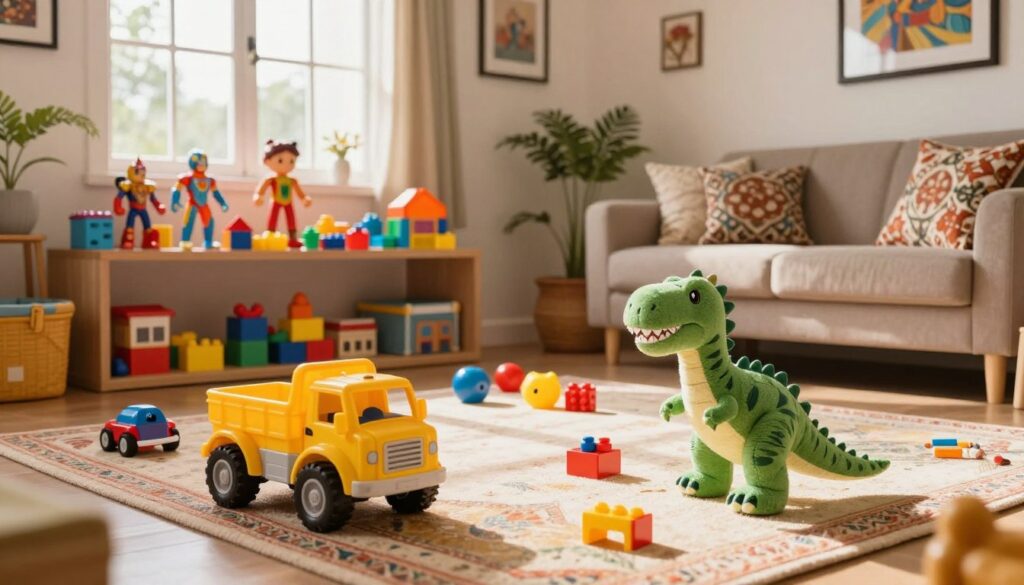
When you enter a modern Indian living room, you see lots of colorful plastic toys. These toys fill toy boxes fast. They look nice but lead to a cycle of buying more that families find hard to stop.
The Appeal of Convenience and Low Cost
These toys are everywhere and very cheap. Parents can buy them easily online or in local shops. This makes them a quick choice for gifts or rewards.
But, these toys are made to break down fast. So, they get thrown away or replaced when they break or lose interest.
Hidden Environmental and Health Concerns
These toys are made from plastics that don’t break down. This adds to the waste problem in cities. They end up in landfills for a long time.
There’s also a health risk. Cheap toys might have harmful chemicals. Kids might put these toys in their mouths, which is dangerous. It’s better to choose a few good toys than many cheap ones.
Defining the Best Toys for Child Development
What makes a toy great isn’t just its looks or sounds. The best toys for child development help kids learn and grow. They are tools for discovery, not just fun.
Core Principles of Developmental Play
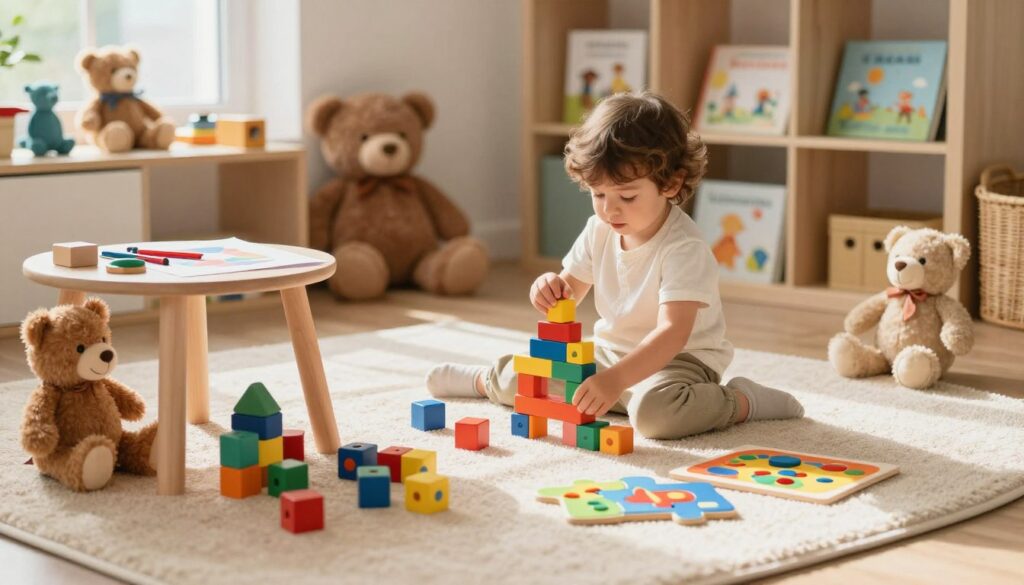
Developmental play means kids do the work, not just watch. They start the action. This active participation makes them the boss of their learning.
“Play is the highest form of research.”
Good play tools let kids try new things. They learn by doing and testing limits. Here’s how toys differ in play.
| Feature | Passive Plastic Toys | Developmental Toys |
|---|---|---|
| Child’s Role | Observer | Creator |
| Skill Focus | Short-term distraction | Long-term cognitive growth |
| Engagement | Limited/Repetitive | Open-ended/Limitless |
Why Open-Ended Toys Outperform Battery-Operated Alternatives
Battery toys can stifle a child’s creativity. They tell kids how to play. But open-ended toys like blocks or fabric let kids dream big.
These toys don’t have one right way to play. They make kids think and be creative. This creative freedom helps kids grow up confident and independent.
Cognitive Benefits of Choosing Natural Materials
Cognitive growth is deeply influenced by the quality of sensory input a child receives during their formative years. When parents prioritize toys for children’s cognitive skills, they often find that natural materials provide a superior foundation for learning. Unlike synthetic plastics, wood and organic fabrics offer authentic textures that engage a child’s developing brain in meaningful ways.
Sensory Stimulation Through Wood and Fabric
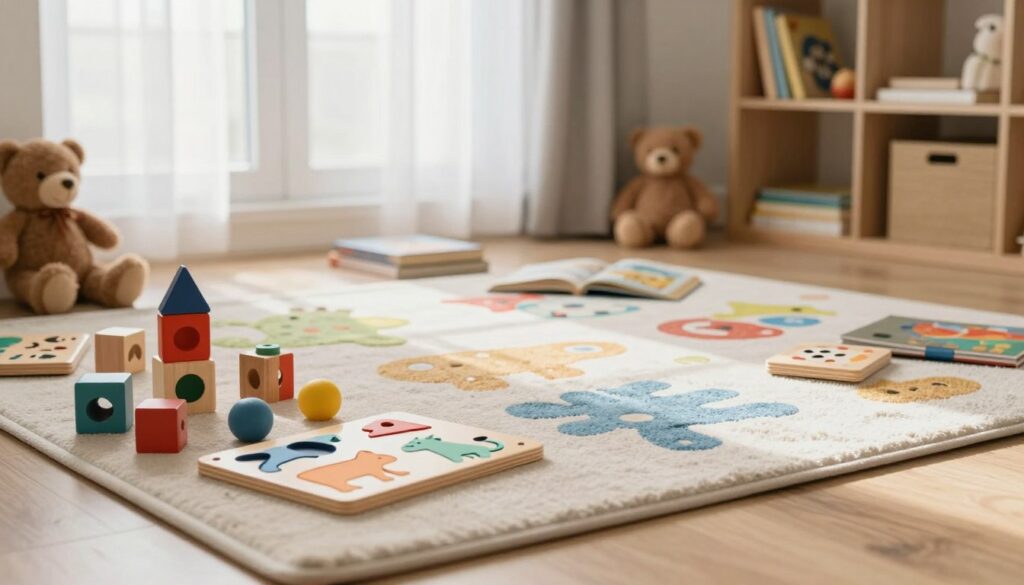
Natural materials possess unique physical properties that synthetic items lack. Wood, for instance, has a specific weight, temperature, and grain that provides rich tactile feedback to a child’s hands. This sensory variety helps children refine their fine motor skills while exploring the world around them.
Organic fabrics like cotton or wool add another layer of discovery. These materials are soft, pliable, and safe for younger children who explore objects through touch and taste. By interacting with these diverse textures, children build a stronger connection between their physical environment and their mental processing capabilities.
Encouraging Problem-Solving and Critical Thinking
The best toys for children’s cognitive skills are those that lack pre-programmed outcomes. When a toy does not have a single “correct” way to be used, it forces the child to think creatively. Natural blocks or fabric shapes require the child to experiment with balance, structure, and spatial awareness.
This type of open-ended play is essential for developing critical thinking. Instead of simply pressing a button to watch a plastic toy light up, a child must actively solve problems to build a tower or create a scene. This process strengthens neural pathways and encourages persistence in the face of challenges.
| Material Type | Sensory Feedback | Cognitive Impact |
|---|---|---|
| Natural Wood | High (Weight/Texture) | Spatial Reasoning |
| Organic Fabric | High (Softness/Flexibility) | Tactile Exploration |
| Synthetic Plastic | Low (Uniform/Smooth) | Limited Engagement |
Ultimately, investing in natural items is a strategic choice for parents. By selecting tools that promote active discovery, they ensure that toys for children’s cognitive skills serve as a bridge to deeper understanding and long-term intellectual development.
Comparing Plastic Building Blocks vs. Wooden Blocks
Parents often choose between plastic and wooden blocks for their kids. This choice affects how kids play and learn. Thoughtful play starts with the right tools for kids.
LEGO Classic Bricks: Features and Limitations
LEGO bricks are known for being precise and easy to connect. They help kids build strong structures. But, they are made of plastic, which limits the tactile variety kids get.
These bricks are uniform and light. They don’t give the same feel as natural materials. Also, plastic bricks can harm the environment. They teach kids about building, but lack the natural feel of wood.
Ariro Wooden Building Blocks: Features and Developmental Value
Ariro wooden blocks offer sensory-rich play with natural textures. They are made from sustainable wood. This gives kids a real feel and helps them learn better.
“The best toys are those that require the child to do the work, not the toy itself.”
Wooden blocks encourage kids to be creative in a real way. They don’t snap together, so kids must use their bodies to build. This builds patience and thinking skills.
Comparison of Durability and Creative Potential
Let’s compare how these blocks do at home.
| Feature | Plastic Bricks | Wooden Blocks |
|---|---|---|
| Durability | High (Resistant to wear) | Very High (Heirloom quality) |
| Tactile Feedback | Uniform/Smooth | Natural/Textured |
| Creative Focus | Structural/Fixed | Open-Ended/Free-form |
Plastic bricks are good for building, but wooden blocks are better for kids. Wooden blocks don’t snap together. This makes kids think more and play better.
Evaluating Educational Toys for Kids: Digital vs. Analog
Choosing educational toys for kids means knowing the big difference. It’s between toys that just sit there and ones that you can play with. Many parents in India wonder if gadgets and tablets really help their kids grow.
The Impact of Screen-Based Toys on Attention Spans
Screen toys show too much, too fast. This can make a young brain feel too much. Kids might start to want things right away.
Playing with screens can make kids watch more than they do. They stop making things and start watching instead. This can make it hard for them to focus later.
Hands-On Learning with Montessori-Inspired Tools
Montessori tools are all about touching and learning by yourself. They are simple, so kids can learn at their own pace. Kids get to use real materials, which helps them with their hands and understanding space.
These educational toys for kids help kids learn by trying things out. They don’t just follow what the toy says. This makes kids feel proud of themselves. When kids solve a puzzle or sort things, they are getting ready for school.
| Feature | Digital Toys | Analog/Montessori Toys |
|---|---|---|
| Primary Engagement | Passive Observation | Active Manipulation |
| Cognitive Impact | Short-term Stimulation | Long-term Concentration |
| Skill Development | Reflex-based | Problem-solving |
| Sensory Input | Limited (Sight/Sound) | Multi-sensory (Touch/Weight) |
Top Toys for Cognitive Development: A Comparative Analysis
Looking for the best toys for child development means more than just looking at the outside. It’s about how a toy sparks a child’s curiosity and problem-solving skills. By comparing different toys, parents can choose better for their kids.
Smartivity STEM Kits: Features and Educational Impact
Smartivity kits are changing the game in India with active learning. They use laser-cut wood to make machines that kids can build themselves. This hands-on learning teaches kids about physics, engineering, and logic in a real way.
These kits need assembly, which helps kids learn patience and how to think spatially. Kids don’t just play with them; they make them. This is key for toys that really help kids learn.
Generic Plastic Action Figures: Why They Often Fall Short
Generic plastic action figures don’t really challenge kids. They might spark some play, but they don’t really help kids think or move better. They’re made for one thing and don’t let kids use their imagination much.
Soon, these toys get lost in the toy box. They don’t keep kids interested for long. This means they don’t offer the lasting benefits that good educational toys do.
Assessing Long-Term Engagement and Skill Building
Let’s look at how these toys last. The table below shows how STEM tools and plastic figures compare.
| Feature | STEM Kits | Plastic Figures |
|---|---|---|
| Skill Focus | Logic & Engineering | Basic Role-Play |
| Engagement | High (Iterative) | Low (Static) |
| Longevity | Long-term | Short-term |
Choosing the best toys for child development means picking items that grow with the child. While action figures might be fun for a bit, STEM toys help kids think better. Buying quality toys means playtime is always good for learning.
The Role of Play-Based Learning Toys in Early Childhood
Early childhood is a time when the brain grows fast. Play-based learning toys help build a child’s social and emotional world. They give kids a safe place to explore.
Fostering Imagination Through Role-Play Sets
Role-play sets let kids try on different roles. They can be doctors, teachers, or chefs. This helps them learn about feelings and how others act.
Through play, kids learn to talk about their needs and listen to others. This kind of play is key for developmental toys for children. It makes learning fun and safe.
How Thoughtful Toys Support Emotional Intelligence
Emotional intelligence is about knowing and managing feelings. Play-based learning toys help kids understand and share feelings. Puzzles and team games teach kids to be strong.
Using developmental toys for children helps kids feel confident. Emotional regulation gets better with practice. These toys teach kids to be kind and aware of themselves.
Developmental Toys for Children: Safety and Sustainability
Keeping developmental toys for children safe is key for parents today. Families want products that are good for health and the planet. The right toys help kids grow safely and without risks.
Identifying Non-Toxic Materials and Safe Finishes
Safe toys start with safe materials. Look for wood, organic cotton, or silicone. These avoid harmful chemicals found in cheap plastics.
When picking developmental toys for children, check for safety marks. Good brands use safe finishes. Here’s a quick guide to safe toys:
- Check for certifications: Look for BIS or international safety marks.
- Inspect the finish: Make sure the paint is non-toxic and doesn’t chip.
- Assess durability: Toys should be solid to avoid choking hazards.
- Material transparency: Pick brands that share where their wood comes from.
Supporting Indian Artisans and Sustainable Toy Brands
Choosing sustainable toys means looking at local options. India’s artisans make eco-friendly toys. Supporting them helps the economy and keeps traditional skills alive.
Indian sustainable brands focus on making toys ethically. They use wood and cut down on plastic. This helps the planet. Buying these developmental toys for children helps artisans and gives kids quality toys.
Good parenting means making choices that last. By choosing safe and green toys, families help their kids and the planet. This thoughtful buying makes a big difference for a better world.
Award-Winning Toys for Child Education and Their Impact
Industry recognition helps families find the best toys for their kids. In a crowded market, award-winning toys for child education stand out. These toys are safe, durable, and help kids grow.
What Makes a Toy Award-Worthy in the Indian Market
To win awards in India, a toy must do more than entertain. It needs to keep kids active and engaged. The toy should be safe, made right, and last a long time.
These toys also match today’s learning methods, like Montessori or STEM. They let kids explore, make mistakes, and learn from them. This builds their strength.
| Feature | Standard Plastic Toy | Award-Winning Toy |
|---|---|---|
| Material Quality | Low-grade plastic | Sustainable wood/non-toxic |
| Play Style | Passive/Battery-operated | Open-ended/Creative |
| Longevity | Short-term interest | Grows with the child |
| Safety Standards | Basic compliance | Certified non-toxic/Safe |
Case Studies of Successful Developmental Play
High-quality educational toys for kids change a child’s behavior right away. Kids with wooden blocks learn more about space than those with plastic sets. Wooden blocks let kids build anything they can imagine.
“Play is the highest form of research. When we provide children with tools that challenge their intellect, we are not just giving them a toy; we are giving them a foundation for lifelong learning.”
STEM kits teach physics by letting kids build things. This way, kids learn without screens. They get better at thinking and do well in school. Choosing the right toys means kids learn and grow every time they play.
Toys That Support Child Growth Through Physical Activity
Active play is key for kids to grow strong and smart. It helps them learn important skills for their health. Choosing toys that support child growth makes playtime useful, not just fun.
Active Play vs. Sedentary Plastic Gadgets
Many homes use battery toys to keep kids busy. But these toys can make kids sit still too much. Active play, like running and jumping, is better for healthy development.
Active play helps kids use their energy and get better at moving. It lets them explore outside and learn about nature. This way, kids have a more fun and active childhood.
Choosing Equipment That Grows With the Child
Buying durable, adjustable toys is smart for families. These toys last longer than cheap plastic ones. They also grow with the child, saving money and being useful for years.
Good toys, like adjustable bikes or climbing frames, help kids feel brave. They learn to try new things safely. Choosing toys that support child growth is a wise choice for parents.
| Feature | Active Play Equipment | Sedentary Plastic Gadgets |
|---|---|---|
| Physical Impact | High (Gross motor skills) | Low (Minimal movement) |
| Durability | High (Long-term use) | Low (Prone to breakage) |
| Developmental Focus | Coordination and Strength | Passive Entertainment |
| Adaptability | Grows with the child | Fixed functionality |
Practical Tips for Curating a Toy Collection
Creating a thoughtful toy library is key for deep engagement. Many parents see better focus and creativity with a well-organized space. Choosing toys that promote learning and development helps grow without clutter.
The Less is More Approach to Toy Selection
“Less is more” means kids do better with fewer choices. Too many toys can overwhelm and make it hard to pick one thing to play. Quality always outweighs quantity when picking toys for kids.
Look for toys that can be played with in many ways. These toys help kids learn about physics and tell stories. Choosing toys that promote learning and development makes sure each toy has a purpose.
Rotating Toys to Maintain Interest and Focus
Rotating toys keeps a child’s interest alive. Storing some toys away and then bringing them back makes them exciting again. This stops boredom and keeps kids focused.
Regularly changing the toys keeps the play area fresh. It keeps kids curious and focused all year. A clean, organized space is essential for a calm and productive home environment.
Make a simple schedule for toy rotations. This keeps things organized and helps kids stay engaged. By following these steps, parents can give their kids the best toys for growth.
Conclusion
The journey to help a child grow starts with what they hold. Moving away from cheap plastic toys is key. This change helps kids think deeply and be curious.
Choosing the right toys is crucial for a child’s mind and heart. Brands like Ariro and Smartivity show that fun can teach. These toys help kids solve problems and learn new things.
Every choice we make today helps shape a child’s future. By picking toys that encourage learning, we give more than fun. We open doors to discovery and happiness. This way, playtime becomes a special part of growing up.